
Your Scottish Wedding
Best Italian Wedding Caterers in Scotland
Italian wedding catering in Scotland should begin with a region and a style of hospitality, not a decorative theme. Antipasti shared across a table, freshly cooked pasta, a formal northern Italian menu and Neapolitan pizza require different kitchens, timings and skills.
The five caterers below are credible teams with tailored-menu capability and the operational experience to discuss an Italian-led brief. Not every company presents itself as an Italian specialist, so the tasting and named chef matter. Ask for direct evidence of the dishes you want rather than assuming a broad 'Mediterranean' description will produce the right result.
Write a short food brief before making enquiries. Include the Italian places, family recipes or service traditions that matter, then identify where flexibility is welcome. This gives a chef something more useful than a moodboard of lemons and striped tablecloths.
The Lunchbox Boys
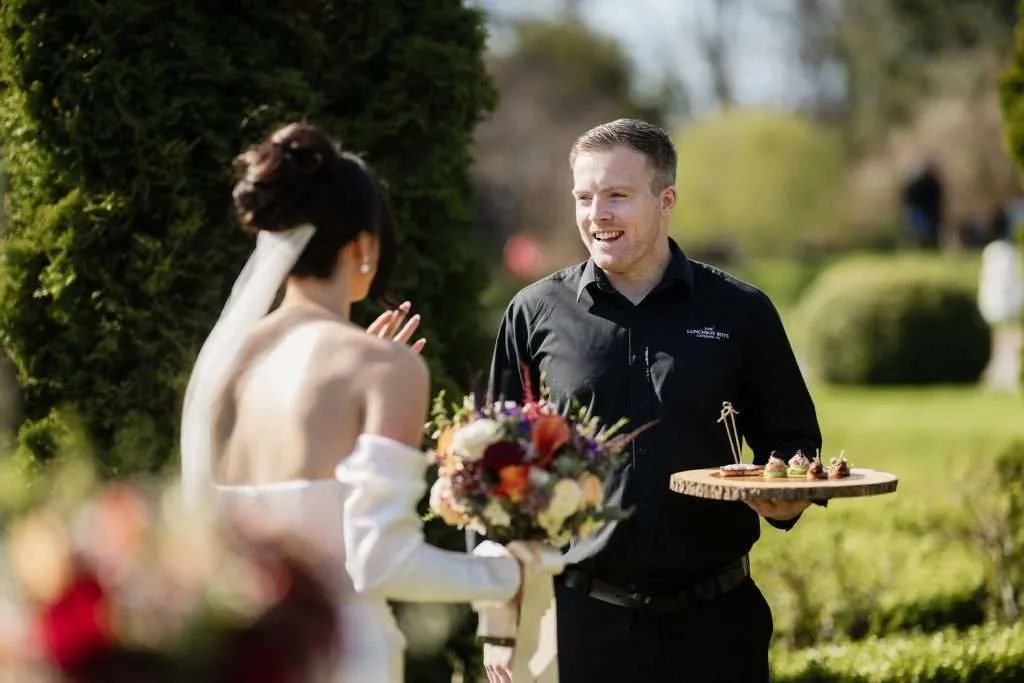
The Lunchbox Boys is a credible starting point when the Italian brief is personal rather than generic. A tailored menu can be built around a family dish, regional influence or preferred service style, with the tasting used to judge whether the result feels specific enough.
The Lunchbox Boys develops menus around the celebration rather than forcing every wedding into one fixed package. Grazing tables, multi-course dining and seasonal produce can all sit within the brief, with Scotland-wide work and published experience of celebrations from ten to 200 guests. The planning advantage is range: a country-house dinner and a relaxed gathering can receive different food while keeping the same attention to sourcing and service.
Jo's Kitchen
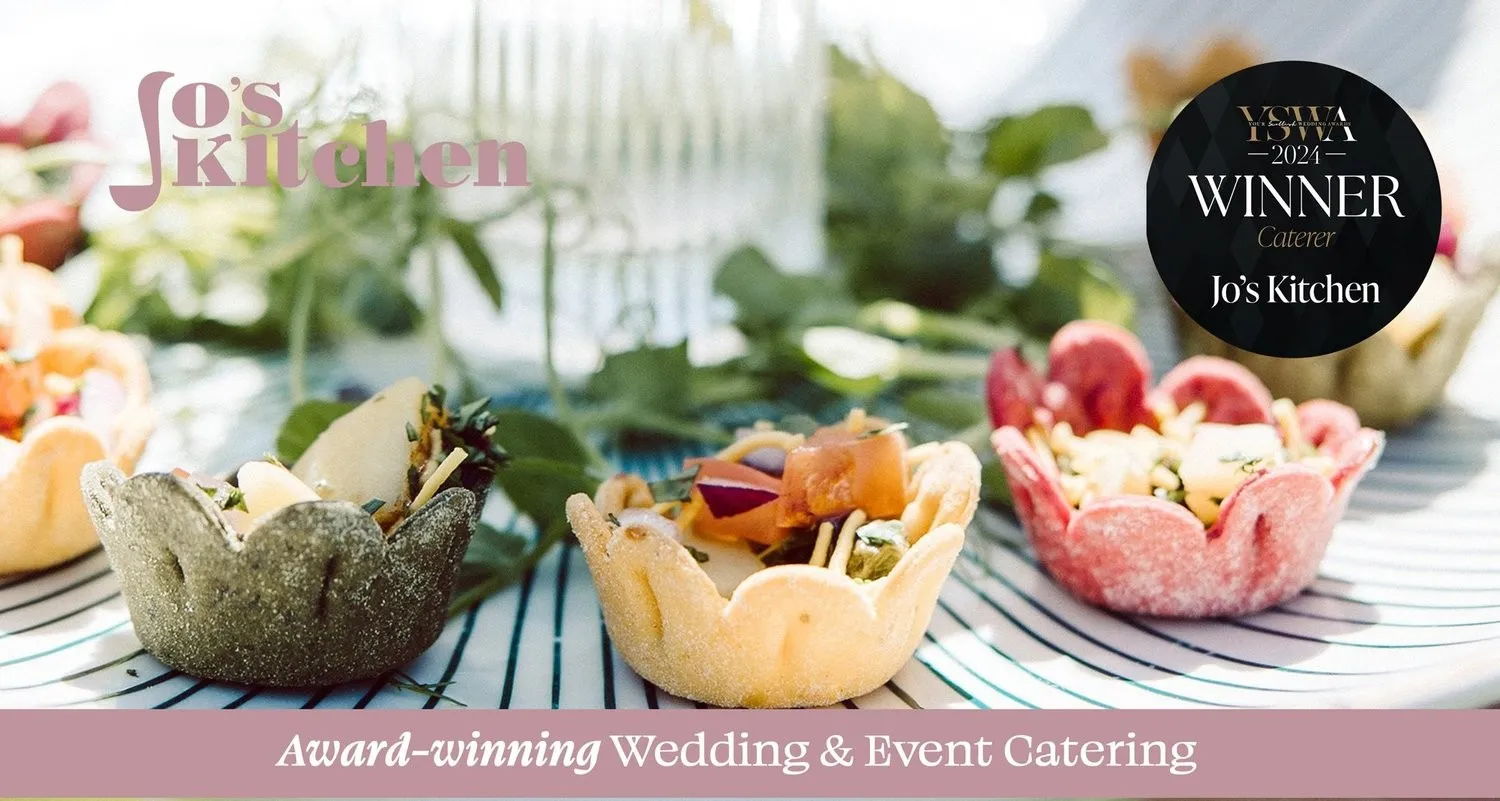
East Lothian-based Jo's Kitchen caters across Scotland and builds tailored menus around the people, venue and preferred style of service. Wedding breakfasts, buffets and barbecues are available, alongside vegetarian, vegan and other dietary adaptations. Experience in venues without a conventional kitchen, plus staffing and licensed drinks provision, makes the team particularly relevant to barns, marquees and private sites.
Jo's Kitchen explicitly invites cultural traditions and favourite foods into the menu conversation. That approach suits an Italian-led wedding breakfast where antipasti, shared pasta or a family recipe needs to sit naturally within the service rather than appear as a themed extra.
The Edinburgh Catering Company

A broad kitchen and event team gives The Edinburgh Catering Company the capacity to discuss a multi-part Italian menu, from reception food to a formal dinner and next-day brunch. Ask for examples from the chefs who would handle the booking and use the tasting to test pasta service at scale.
The Edinburgh Catering Company can coordinate food, staff, equipment, marquee hire and a stocked bar, with an event manager connecting the moving parts. Menus move between formal courses and generous sharing formats, and support can extend to rehearsal meals or a next-day brunch. This breadth is most useful when several food moments need to feel coherent across a wedding weekend.
Inside Out Catering Scotland

Inside Out Catering Scotland moves comfortably between restaurant-style plates, sharing food and street-food formats. Bespoke menus, Scottish produce, setup, staffing, coordination and a mobile bar can be combined according to the venue. It suits a wedding where hospitality changes character through the day but the couple wants one team to understand the full schedule.
Inside Out's movement between plated food, sharing menus and street-food formats suits the range within Italian dining. A restrained multi-course meal and a convivial late-night offer can belong to the same brief, provided the regional idea and ingredients are agreed precisely.
First Class Catering

First Class Catering's planning and tasting process gives couples a clear route to refining an Italian-inspired menu. Scratch cooking matters, but so does service: pasta, risotto and fried antipasti all place different demands on timing and the temporary kitchen.
First Class Catering begins with menu planning and a tasting, then keeps one point of contact involved through the event. Scratch cooking can be presented as a formal meal or buffet, while a mobile bar and wider event details such as linen, decoration and dance-floor provision can be added. This is useful for a lightly equipped venue where infrastructure matters almost as much as the menu.
Build an Italian wedding menu that works at scale
Choose the structure first. Antipasti and sharing plates create conversation, but they need enough table space. A plated menu gives the kitchen tighter portion control. Pizza can be excellent evening food or the main event, provided oven capacity prevents long queues.
Pasta service deserves direct questions. Fresh pasta can deteriorate quickly between kitchen and table, and risotto is demanding for a large number. Ask how the caterer batches, plates and serves the proposed dish at your guest count and venue. A less fragile shape or sauce may protect quality without weakening the idea.
Use Italian names only where they clarify the food. Guests should understand the main ingredients and allergens without needing a translation. Regional accuracy is more persuasive than an overloaded list of familiar words.
Dietary planning belongs in the first menu draft. Italian food can support vegetarian choices naturally, but dairy, egg, gluten and nuts appear frequently. Ask which dishes can be adapted well and which would be better replaced rather than compromised.
The drinks should support the sequence rather than perform another theme. One aperitivo, carefully chosen wines and good alcohol-free options can be more coherent than an extensive bar of Italian references. Confirm glassware, chilling and service costs in the same quote.
At the tasting, judge temperature, texture and pace alongside flavour. The final contract should name the agreed menu, substitutions process, staffing, kitchen requirements and who has authority to change a dish if seasonal supply shifts.
Request a written service schedule with the menu. It should show staff arrival, kitchen setup, guest service and clearing. That document exposes timing conflicts early and gives the venue, planner and caterer one shared version of how the meal will operate.
Supplier meals and children's food need the same clarity as the main menu. Record quantity, serving time and location. A photographer eating after speeches or a band waiting for food can affect the rest of the evening schedule.
Ask what the quotation assumes about access. A caterer working from a permanent kitchen has a different task from a team building a temporary one in a marquee. Water, power, refrigeration, waste and the distance to tables can all alter staffing and equipment costs.
A tasting should test more than flavour. Notice the portion size, temperature and pace between courses, then discuss how those standards will be maintained for the full guest list. Record every agreed change in the revised menu rather than relying on notes from the meeting.
Dietary requirements belong in the design of the menu, not on a separate late list. Ask whether alternatives will look and feel comparable to the main dishes, how allergens are controlled and how serving staff will identify the correct guest discreetly.
Service style changes the atmosphere as much as the food. Plated courses create a clearer timetable, sharing dishes encourage conversation and food stations allow movement. Choose the format that supports the wedding you are planning, then confirm the staffing needed to make it work smoothly.
Evening food is most useful when it answers the shape of the day. Consider the time of the wedding breakfast, the number of evening guests and how long the bar remains open. A smaller, well-timed service can be more welcome than a large second meal.
Suppliers mentioned in this article
Find contact details and more information in the supplier profiles below.