
Your Scottish Wedding
Best Outside Catering Companies for Scottish Weddings
Outside catering in Scotland is defined by the venue as much as the menu. A caterer working in a marquee, barn, village hall or private garden may need to create a temporary kitchen, bring water and power solutions, hire service equipment and manage waste before the first plate leaves the pass.
The seven companies below offer different routes through that brief, from multi-course dining and event management to grazing tables and live cooking. Their relevance depends on the site. Give each team accurate facilities information and invite them to speak directly with the venue before the contract is final.
A polished quote should separate food, staffing, equipment, travel, bar service, hire and VAT. That detail lets you compare complete operations rather than attractive menus with different assumptions hidden underneath.
The Lunchbox Boys
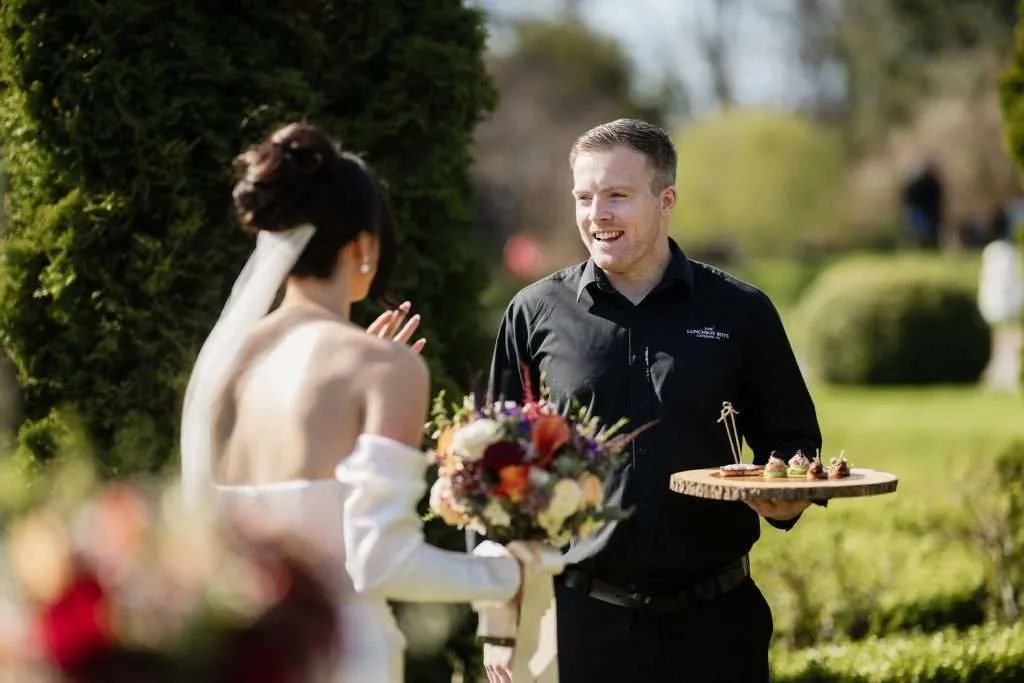
The Lunchbox Boys is a useful first enquiry for a venue that needs food shaped around its facilities. Scotland-wide service and experience across different guest counts support both private houses and larger blank-canvas weddings.
The Lunchbox Boys develops menus around the celebration rather than forcing every wedding into one fixed package. Grazing tables, multi-course dining and seasonal produce can all sit within the brief, with Scotland-wide work and published experience of celebrations from ten to 200 guests. The planning advantage is range: a country-house dinner and a relaxed gathering can receive different food while keeping the same attention to sourcing and service.
Jo's Kitchen
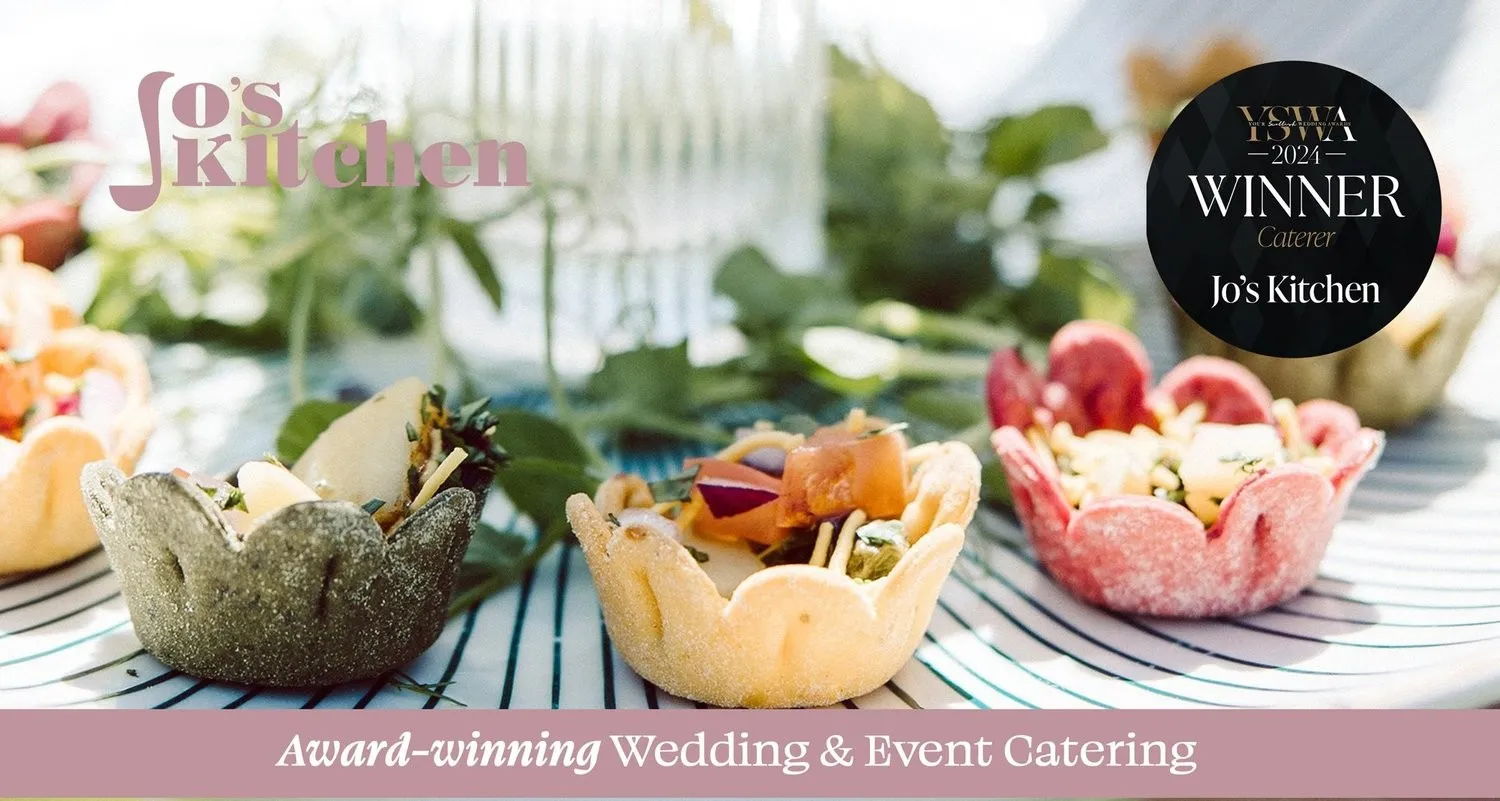
East Lothian-based Jo's Kitchen caters across Scotland and builds tailored menus around the people, venue and preferred style of service. Wedding breakfasts, buffets and barbecues are available, alongside vegetarian, vegan and other dietary adaptations. Experience in venues without a conventional kitchen, plus staffing and licensed drinks provision, makes the team particularly relevant to barns, marquees and private sites.
Working without a conventional venue kitchen is a stated part of Jo's Kitchen's experience. That operational knowledge can be more valuable than an extensive sample menu when the caterer has to create preparation and service space on site.
The Edinburgh Catering Company

Equipment, staffing, bar and marquee support make The Edinburgh Catering Company a broad outside-catering option. An event manager can keep the production plan connected when several hired elements arrive separately.
The Edinburgh Catering Company can coordinate food, staff, equipment, marquee hire and a stocked bar, with an event manager connecting the moving parts. Menus move between formal courses and generous sharing formats, and support can extend to rehearsal meals or a next-day brunch. This breadth is most useful when several food moments need to feel coherent across a wedding weekend.
Inside Out Catering Scotland

Inside Out Catering Scotland moves comfortably between restaurant-style plates, sharing food and street-food formats. Bespoke menus, Scottish produce, setup, staffing, coordination and a mobile bar can be combined according to the venue. It suits a wedding where hospitality changes character through the day but the couple wants one team to understand the full schedule.
Inside Out can change the format across the day while retaining one team. It suits a couple who wants polished canapés or dinner followed by a looser evening offer and mobile bar.
Peck Catering

Peck's grazing formats require less formal table service and can work well for receptions, brunches or relaxed main meals. The venue still needs a suitable setup surface, access and a clear allergen conversation.
Peck Catering is known for grazing tables layered with cheeses, charcuterie, breads, dips, fruit, vegetables and savouries. Glasgow-based service covers groups from eight to 200, with setup and display equipment included for grazing tables. The format supports conversation and movement, although the shared-kitchen allergen policy requires a careful discussion where a guest has a severe allergy.
Spitting Pig Scotland

Spitting Pig Scotland cooks on site, turning the main course into part of the outdoor atmosphere. Wedding menus can include canapés, salads, sides and desserts as well as a hog roast or alternative main, with vegetarian and gluten-free choices available. Shelter, access and serving space should be agreed with the venue so live cooking remains a strength in less predictable weather.
Cooking on site is central to Spitting Pig's offer. The visual appeal and fresh service work best when the venue provides a safe, sheltered position with a straightforward route for equipment and guests.
First Class Catering

First Class Catering combines food with a wider hire and bar remit. Couples using a hall or dry-hire space can select which practical elements remain with one supplier instead of assembling every item independently.
First Class Catering begins with menu planning and a tasting, then keeps one point of contact involved through the event. Scratch cooking can be presented as a formal meal or buffet, while a mobile bar and wider event details such as linen, decoration and dance-floor provision can be added. This is useful for a lightly equipped venue where infrastructure matters almost as much as the menu.
What an outside-catering quote should cover
List every service period: morning food, drinks reception, canapés, wedding breakfast, cake service, evening food and next-day breakfast. A caterer may cover all of them, but the quote should show quantities and staffing rather than rely on a general promise.
Ask who supplies ovens, refrigeration, prep tables, hand-washing, serving stations, crockery, cutlery, glassware, linen and bins. Check delivery and collection times against the venue hire window. Extra days of equipment rental can alter the apparent saving of a dry-hire space.
Staffing requires start and finish times. Kitchen teams often arrive hours before guests, and clearing continues after the final course. Overtime rates, staff travel and accommodation should be visible, particularly for rural or island venues.
Agree the wet-weather position for outdoor cooking and bars. A gazebo may not be sufficient in high wind, and an indoor fallback can compete with guest space. The caterer should approve the operating plan rather than inherit it on arrival.
Finally, confirm insurance, food safety documentation, allergen procedures and the person running service. The named lead needs authority to adjust timing with the venue or planner while protecting food quality and staff welfare.
Request a written service schedule with the menu. It should show staff arrival, kitchen setup, guest service and clearing. That document exposes timing conflicts early and gives the venue, planner and caterer one shared version of how the meal will operate.
Supplier meals and children's food need the same clarity as the main menu. Record quantity, serving time and location. A photographer eating after speeches or a band waiting for food can affect the rest of the evening schedule.
Ask what the quotation assumes about access. A caterer working from a permanent kitchen has a different task from a team building a temporary one in a marquee. Water, power, refrigeration, waste and the distance to tables can all alter staffing and equipment costs.
A tasting should test more than flavour. Notice the portion size, temperature and pace between courses, then discuss how those standards will be maintained for the full guest list. Record every agreed change in the revised menu rather than relying on notes from the meeting.
Dietary requirements belong in the design of the menu, not on a separate late list. Ask whether alternatives will look and feel comparable to the main dishes, how allergens are controlled and how serving staff will identify the correct guest discreetly.
Service style changes the atmosphere as much as the food. Plated courses create a clearer timetable, sharing dishes encourage conversation and food stations allow movement. Choose the format that supports the wedding you are planning, then confirm the staffing needed to make it work smoothly.
Suppliers mentioned in this article
Find contact details and more information in the supplier profiles below.