The Big Interview
- ThePlus Audio
Please click here to listen to this article
25 years on from opening on the Royal Mile, we reflect on authenticity, evolving wedding style and why Highlandwear is anything but static
Your Scottish Wedding: How did the business begin and how has it evolved?
Gordon Nicolson Kiltmakers: We opened on Edinburgh’s Canongate 25 years ago this year. Before launching independently, I worked my way up from the shop floor to managing some of the city’s largest Highlandwear stores. What pushed me to start GNK was frustration. In the 90s and early 2000s I could see quality declining – mass-produced imports were flooding the market and traditional kiltmaking skills weren’t being passed on. Provenance and attention to detail were being lost. I wanted to create something different – authentic Highlandwear, made properly, using the finest materials, woven as locally as possible. We started small (just me and one kiltmaker) and through long days, plenty of mistakes and a lot of determination, we’ve grown into two Edinburgh stores, a global e-commerce platform, a warehouse and workroom in Dunbar, and the Edinburgh Kiltmakers Academy.
YSW: How do you balance heritage with contemporary style for couples today?
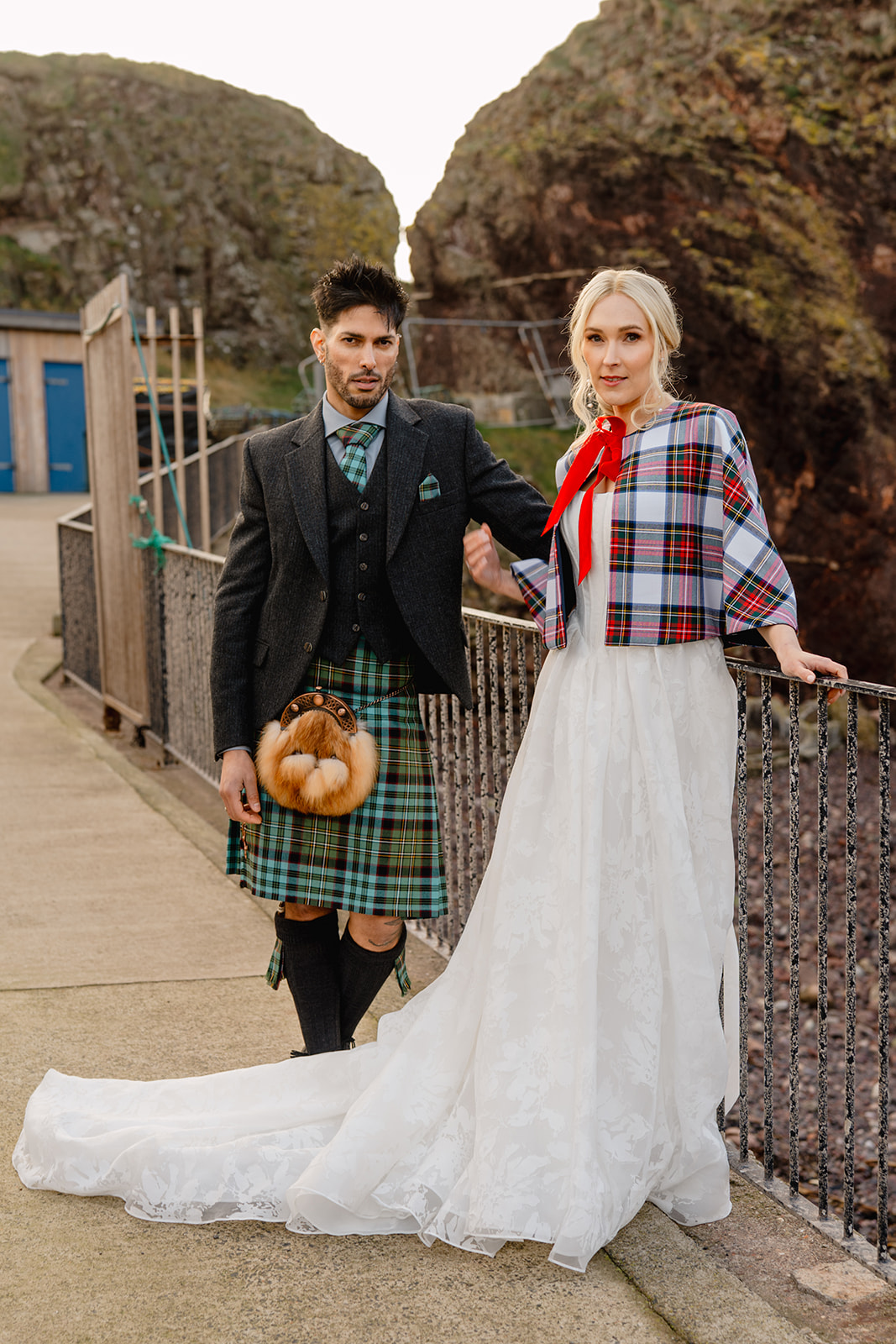
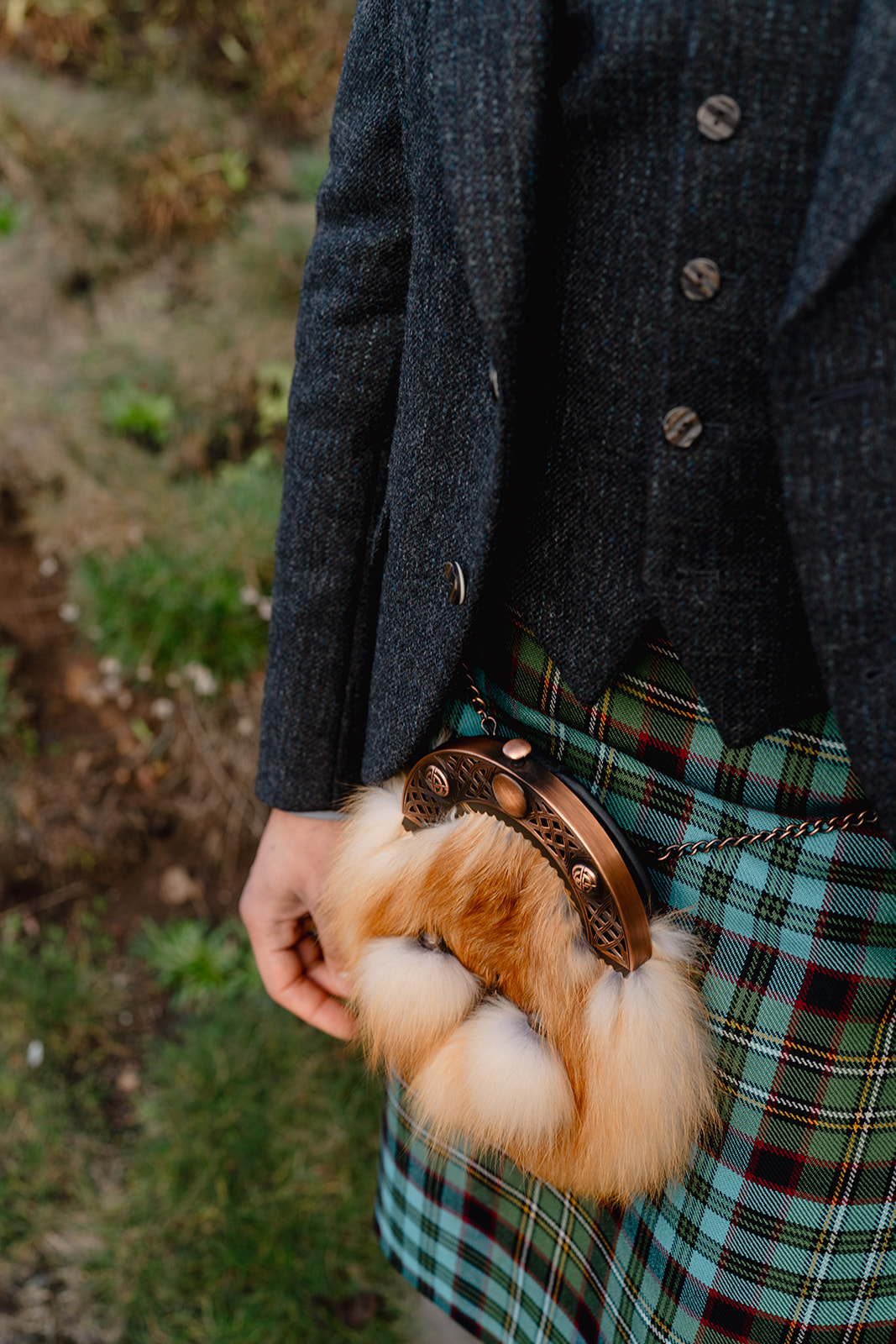
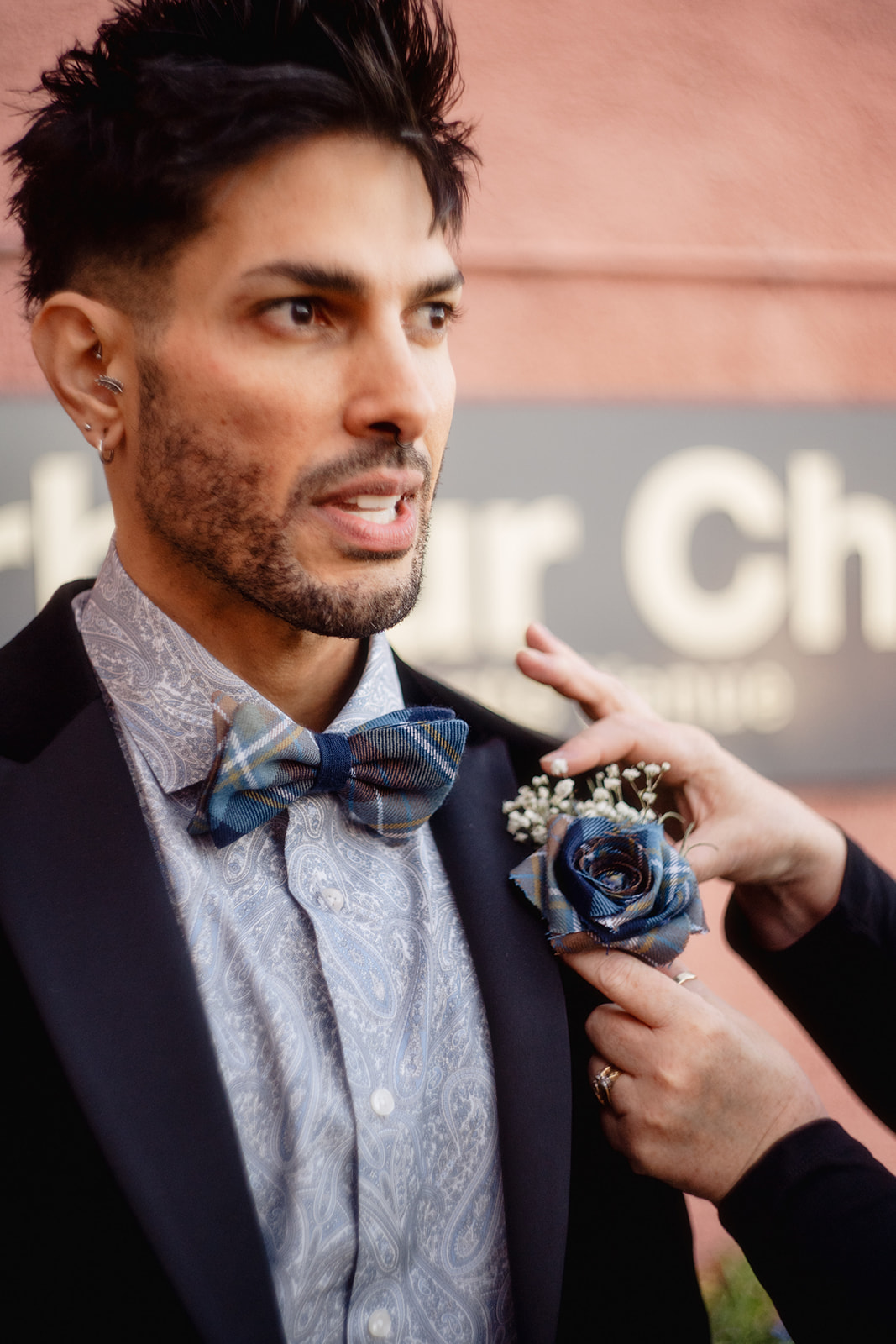
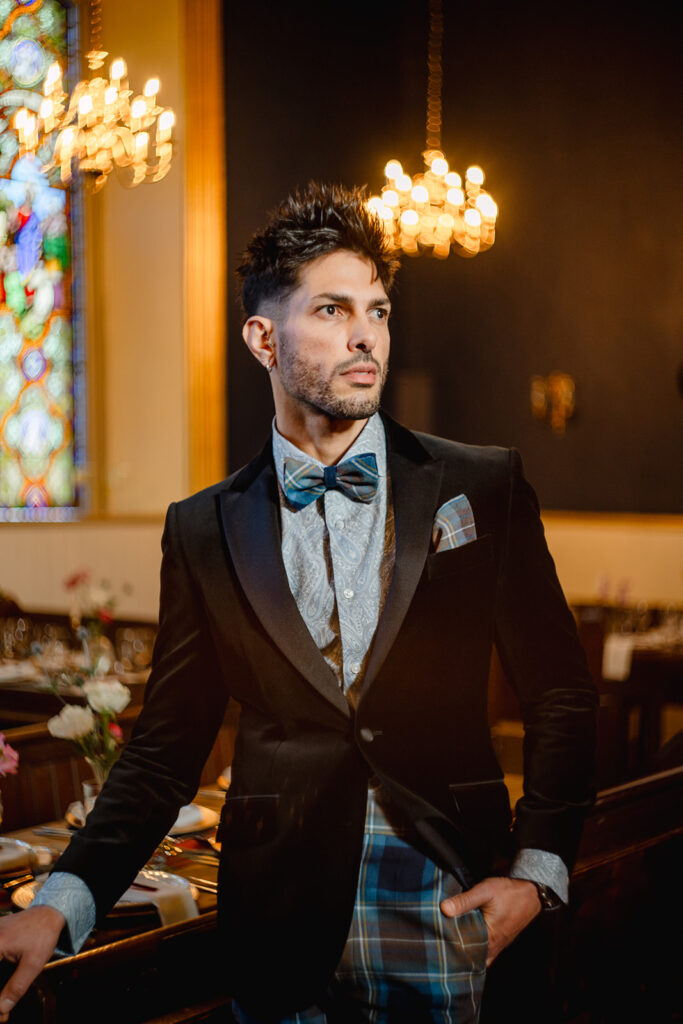
GNK: Highlandwear is traditional by nature but it’s also a living part of our cultural identity. Our couples come to us because they value authenticity and craftsmanship but they also want to express their personality. We guide them by listening first. Once we understand what they want their outfit to say, we can introduce subtle individuality like artistic linings, coloured thread detailing, bespoke sporrans or commissioned kiltpins. The foundation remains classic, but the expression is entirely personal.
YSW: What are couples looking for now that they perhaps weren’t 10 or 20 years ago?
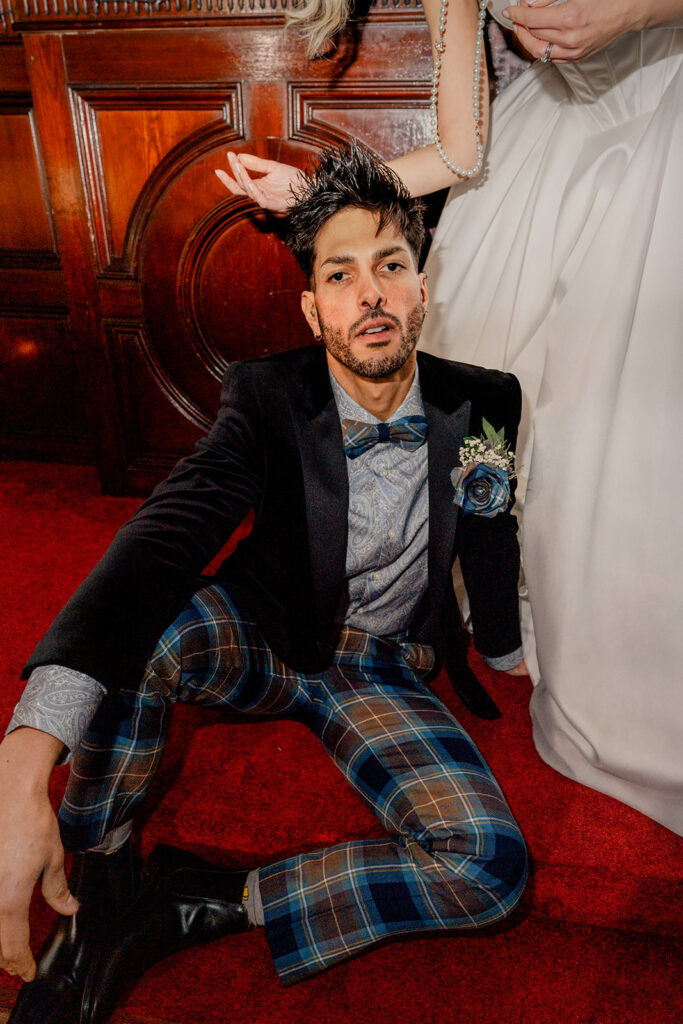
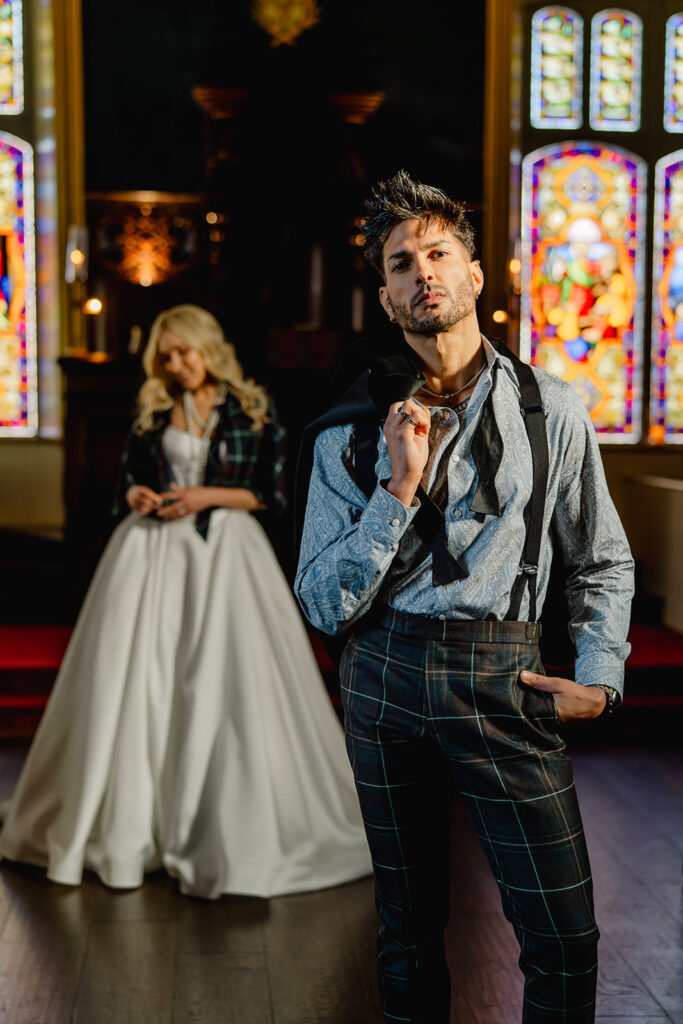
GNK: Weddings have become more intimate and personal, and that shift shows up in clothing. Some grooms now opt for a relaxed approach – a kilt with a beautiful shirt and no jacketor tailored trews instead of a full formal outfit. We’re also seeing more pets involved in ceremonies; so much so that we now offer tartan accessories for four-legged ring bearers. The common thread, though, is individuality. Couples don’t want their wedding to look like anyone else’s.
YSW: Are you seeing more women and non-traditional clients coming to you?
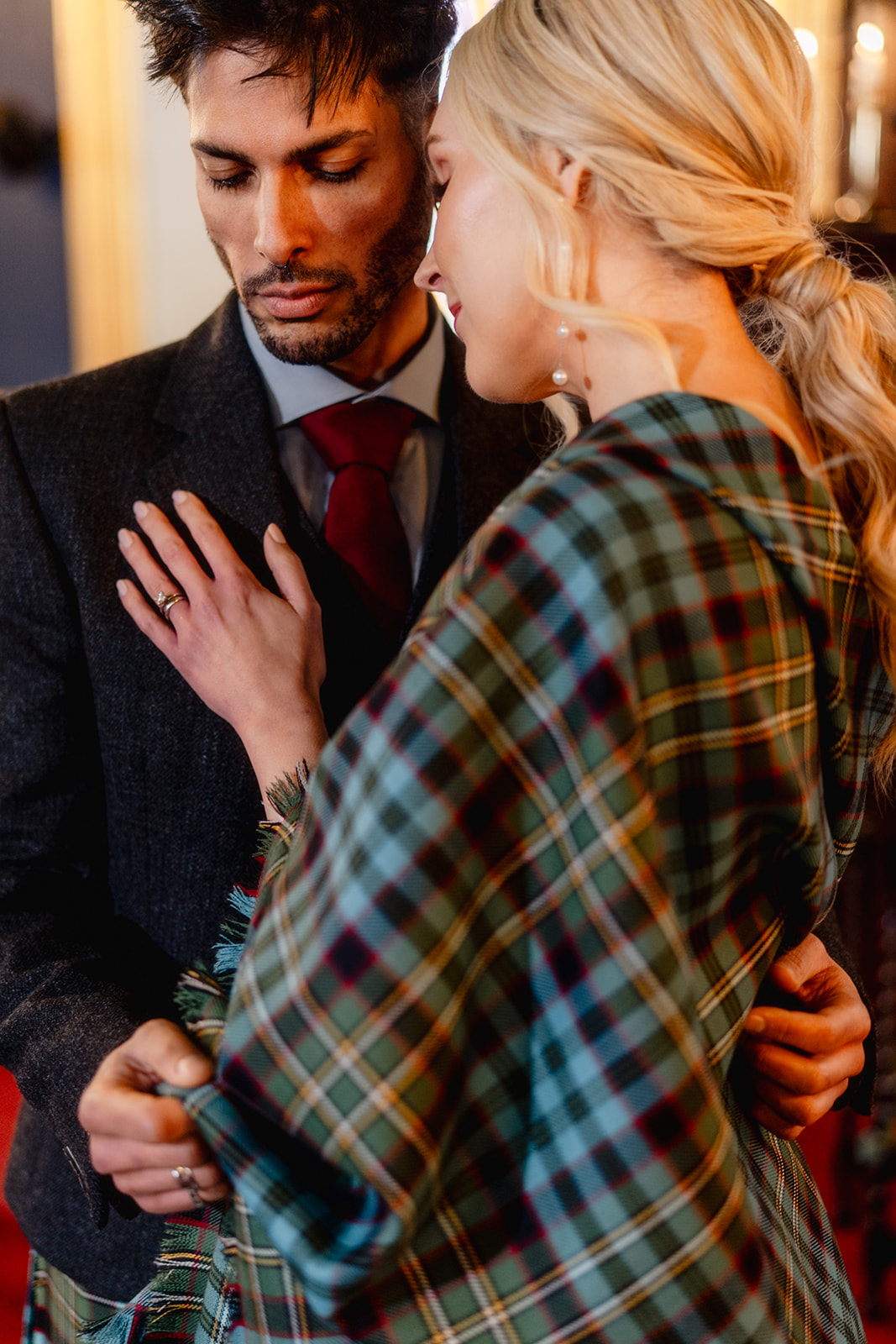
GNK: Absolutely. Through our LoullyMakes label, we create bespoke shawls, capes, tartan bouquets, clutch purses and accessories – many made in-house by our own seamstresses. More women are coming to us wanting to incorporate tartan or tweed into their outfit in a way that feels modern and intentional. We shape tradition to suit them.
YSW: How do those conversations differ creatively or emotionally?
GNK: Every conversation we have is personal. Whether someone is hiring for one celebration or investing in an outfit they’ll wear for a lifetime of occasions, we start by understanding their aspirations. We consider how the outfit might evolve, how accessories might be added over time and how everything works together. It’s about guidance, not prescription.
YSW: How would you describe the Gordon Nicolson signature?
GNK: Authentic. Our kilts are handsewn to the unequalled GNK standard using traditional heritage skills. Our unique jackets and waistcoats are crafted to our own designs using specifically developed pattern blocks, refined over decades. We use only the finest wool tartans and tweeds woven in Scotland and collaborate with trusted artisans to create exclusive pieces. A defining moment for us was being asked to supply a GNK hire outfit for the permanent archives of the National Museum of Scotland. That felt like validation of our mission – making exceptional Highlandwear accessible, without compromising quality.
YSW: For couples unfamiliar with the process, what goes into making a bespoke kilt?
GNK: A traditional handsewn kilt begins with a minimum of eight yards of Scottish-woven wool tartan. Each pleat is meticulously shaped and stitched to match the wearer’s measurements, including subtle shaping from seat to the small of the back. We also build hidden ease into every GNK kilt, allowing it to be resized over time. That future-proofing is important because a kilt should last decades. Through the Edinburgh Kiltmakers Academy (which we established in 2016) we’ve trained more than 135 students from around the world. In 2021, handsewn kiltmaking was placed on the red list of endangered heritage crafts. Protecting and passing on these skills is central to what we do.
YSW: There’s been a shift towards more expressive weddings. How does that show up in your work?
GN: Bespoke tartan design is becoming a significant part of our business. There is something incredibly powerful about a couple creating their own tartan; choosing colours and patterns that symbolise shared memories, heritage and hopes. Once registered with the Scottish Register of Tartans, that design becomes part of the permanent archive. It’s a meaningful way to mark a union.
YSW: Are grooms thinking differently about how they want to feel on the day?
GN: Definitely. They want to feel distinct. They don’t want to look like they’ve chosen a package deal or replicated a friend’s wedding. At GNK we don’t do standard. Every outfit, whether hired or purchased, is curated for the individual. It’s an honour to play a part in such an important moment.
YSW: Do any client stories stand out as particularly memorable?
GN: One couple asked us to design a new tartan in memory of the groom’s late father, using his favourite colours. It was an emotional process. After refining the design together, we created something that carried real poignancy. They described it as not just fabric, but a weaving of remembrance and union. Moments like that remind us why this craft matters.
nicolsonkiltmakers.com
“We don’t do standard. Every outfit, whether hired or purchased, is curated for the individual.”
Gordon