
Beyond Gold
- ThePlus Audio
Please click here to listen to this article
Gold prices are at record highs. But the conversation around wedding jewellery has never been more interesting – because the alternatives have never been better.
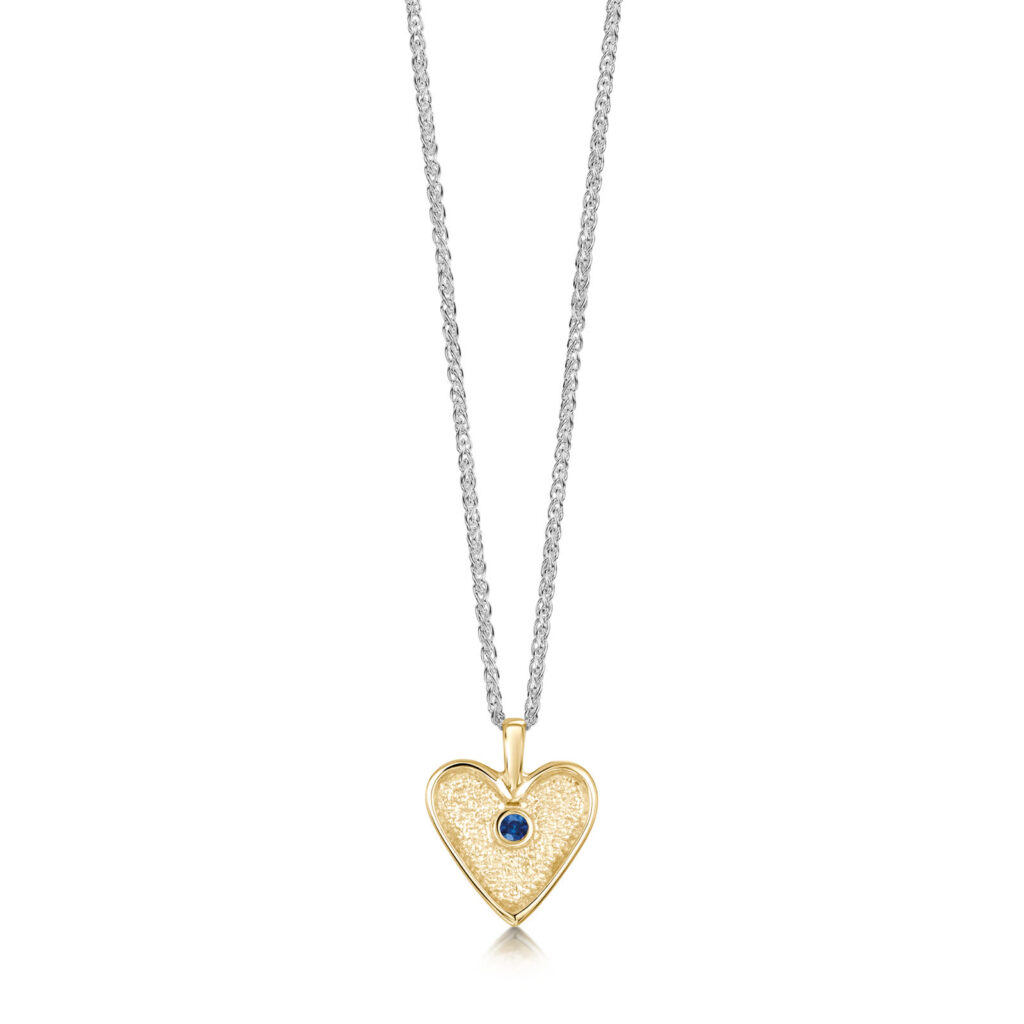
Alternative metals
Platinum and silver offer compelling alternatives to gold but jewellery experts say they’re not interchangeable.
"Platinum is naturally white, exceptionally strong and highly resistant to wear," explains the team at Sheila Fleet Jewellery. "Rather than wearing away, it develops a soft patina that many people love and requires very little maintenance. This makes it ideal for rings worn every day for a lifetime."
Silver is a different proposition. "It’s a wonderful choice for fashion jewellery or pieces worn less frequently. But as a softer metal it’s more susceptible to scratching and can tarnish over time, so it isn’t typically recommended for engagement or wedding rings that will see decades of everyday wear."
The advice? "When working with our customers, we always discuss how a ring will be worn. This helps them choose a precious metal that’s not only beautiful but suited to their lifestyle for years to come."
Thinking differently about stones
Coloured gemstones are having a moment – and it’s not just about price.
"Brides are increasingly confident about bringing their own style into the wedding day rather than following one prescribed bridal look," says Angela at Emma Rose Jewellery. "A pale blue crystal can become their something blue, while blush, sage or champagne tones can echo the wedding flowers. And deeper jewel shades can add a beautiful contrast to a simple gown."
At Sheila Fleet, where pieces are handcrafted in the Orkney workshop, the shift is equally clear. "While rising gold prices have certainly encouraged people to explore different options, there’s also been a broader shift towards individuality. People want jewellery that tells a story.”
Pearls deserve particular attention, adds Angela. "They have that rare ability to feel both timeless and modern. Their soft lustre is incredibly flattering, photographs beautifully and works with almost every style of dress. Freshwater pearls are particularly lovely because their subtle variations give each piece an organic, individual character. And they become jewellery that can be worn long after the wedding, which makes them feel like a meaningful purchase rather than something for a single day."
For couples unsure where to start, Sheila Fleet’s advice is consistent. "Think about colours you’re drawn to, special places or the personality you want your jewellery to have. Some couples choose a gemstone because it reminds them of where they got engaged. Others select a birthstone or a colour they’ve always loved. Start with what feels meaningful rather than expected."
Something old, made new
For most jewellers, record gold prices have changed the conversation. For Fennes Jewellery, the conversation was already happening.
"I don’t really think that now is a particularly good time to consider repurposing – it’s something that should be kept in mind all the time," says Jo. "When we live in a world of buying new, sometimes something unworn or inherited can be given a new beginning. Customers just aren’t aware of what can be done. That’s why it’s lovely to sit with them and explain what can be achieved."
The examples tell the story better than any description. “Sadie wanted a heart pendant for her wedding day but costs were spiralling,” explains Jo. “She brought in a ring inherited from her grandmother (a heart cluster) and it became exactly the pendant she’d imagined.
“Kirsty wondered whether a family ring could work alongside her engagement ring. Years of wear had sharpened the edges and worn the pattern, and the ring was too wide. But a resize, a narrowing and a polish revealed a lovely pattern beneath. She loves it.
“Tracey wanted to use her mother’s wedding band but needed a shaped design, and the band couldn’t be adapted that way. Fennes turned the ring into a heart-shaped pendant instead, keeping the integrity of the original piece.”
Jo’s advice for anyone sitting on a piece they’re unsure about is to do nothing. “Everything happens for a reason and an idea will come in the future. Now just isn’t the right time.”
When the time does feel right, let your jeweller check it first. "If you have a design in mind, show me and I can help manage your expectations." Appointments run from 30 minutes to an hour and a half. Straightforward work takes around two weeks. For more involved pieces, four to six.

Heirlooms worn differently
One of the most moving alternatives to buying new isn’t about the gold or the jewellery, it’s about where it’s worn.
"Transforming inherited jewellery into a bespoke hair accessory is one of the most meaningful parts of my work," explains Angela. "I’ve remodelled family pearls and vintage jewellery into tiaras, combs and other bridal pieces – including an heirloom tiara redesigned into a more contemporary style while retaining its original history and sentiment. A bride can carry someone she loves with her in a very visible yet beautifully subtle way."
The possibilities are wider than most brides realise. "Brooches work particularly well as the focal point of a comb or headpiece. Strings of pearls can be rewired into hair vines or scattered through a comb. Even a broken necklace or a single earring may contain beautiful components that can be reused."
Where possible, she creates pieces that will live on beyond the wedding day. "Pearls or jewellery elements may be removable from a bridal comb and can later be made into earrings, a bracelet or a pendant. They get yet another life rather than hiding in a jewellery box."
Her advice to brides with a meaningful piece and no clear idea is to start with the story. “Who it belonged to, what it means to you and whether you’d like the transformation to be permanent or reversible. Inherited jewellery doesn’t have to stay exactly as it was to honour the person who wore it. Thoughtful transformations can be a beautiful continuation of a story and means something loved in the past can be loved and worn again on one of the most precious days of a family’s life."
Where to start
Gold prices may have started this conversation but the real story is about choosing jewellery that reflects who you are and the life you’re building together.
Talk to a jeweller who will take time to understand your taste and your lifestyle. Ask to see alternatives alongside traditional options. And don’t be afraid to start with the story rather than the stone.
A note on diamonds – but different
Lab-grown diamonds are diamonds created in a controlled laboratory environment rather than mined from the earth. But misconceptions remain.
"They’re not imitation stones like cubic zirconia or moissanite," advises the team at James Porter & Son. "They have the same chemical composition, crystal structure, optical properties and durability as natural diamonds. But they’re formed in a lab in a matter of months instead of millions of years underground."
"To the naked eye, there’s generally no visual difference between a comparable natural and lab-grown diamond. Both can display the same brilliance, fire and sparkle. Specialist gemmological equipment is normally required to determine how a diamond was formed."
For many couples, the appeal is straightforward. "The main attraction is the freedom to choose a larger diamond or a higher colour and clarity grade without exceeding their budget. The choice is ultimately an emotional one. Some people love the rarity, geological history and tradition of a natural diamond, while others are drawn to the technology, value and flexibility offered by a lab-grown stone. Neither option is automatically better – it’s about selecting the diamond that feels right for the individual couple."


